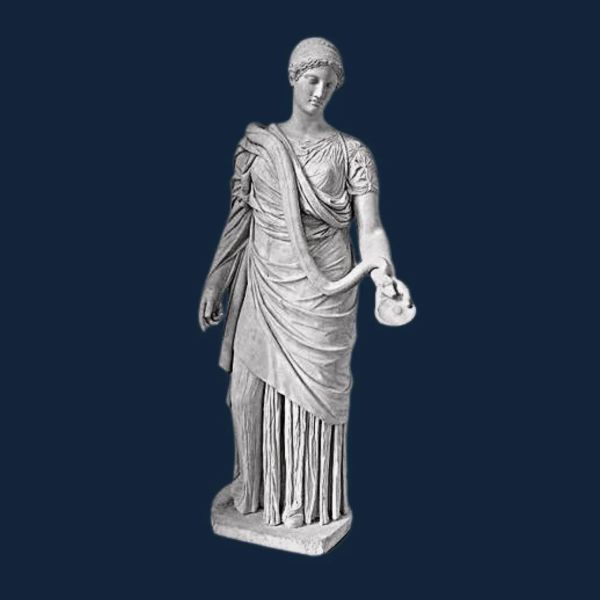
Panacea

- From Greek panakeia (πανάκεια)
- pan = meaning “all”
- akos / akēs = akos signifies a “remedy” or “cure” while aké specifically refers to the sharp point of an iron blade, so altogether meaning a 'sharp remedy'.
Today, used to describe the idea of a universal solution, the word panacea comes from Ancient Greek. It was not used as a phrase originally but was the name of the daughter of Asclepius (uh·sklee·pee·uhs), the Greek God of medicine and healing. He had two daughters, Hygieia (Health) and Panacea. Panacea was known as the goddess of universal remedy.
Eventually, Hippocrates uses her name to represent a concept in his writings and begins to turn the word from a name of a goddess to this idea of a cure-all.
As medicine developed, Doctors and thinkers used it more loosely to define a remedy that cures everything, but basically as something unrealistic, and used to skeptical in tone.
Over time, as people realized there is no such thing as a cure for everything, it was used almost as a warning, like 'be careful of a drug that claims to solve all your ailments'.
Then, over more time, people started using it beyond medicine and more as a metaphor and used it for other areas like Politics, technology, business ideas, ect. Like "AI is not a panacea."
Quick Takeaway: Panacea went from a goddess to a metaphor because people stopped believing in perfect cures, but kept the word to describe the illusion of one.